Are you struggling with your credit? Being turned down for loans, apartments, mortgages etc. Need to understand why and more? Learn how to rebuild after late payments, collections, or setbacks. If any of these hit close to home — you’re exactly who The Credit Blueprint was built for.
Looking forward to seeing you taking the next step to learn how this Credit Mastery Course could change your circumstances after you have successfully completed the credit blueprint. 🚀Join over 3,500+ students who have raised their scores by an average of 87 points. 👉 Secure Your Enrollment Here
#CreditEducation #CreditScore #PersonalFinance# Business Credit Foundations #FinancialLiteracy #CreditBlueprint
Disclaimer & Site Policies: The fashion tips and styling suggestions provided on this page are for informational and inspirational purposes only. Information Millenium LLC does not claim to be a professional fashion consulting firm or certified styling agency. Readers are encouraged to adapt this advice to their personal preferences, and for expert wardrobe overhauls or specific style consultations, we recommend consulting with a professional stylist or personal shopper.
Product Details & sizing Disclaimer:
The information provided on this page is for general informational purposes only. While we strive to ensure that all product descriptions, sizing guides, and business information are accurate and up-to-date, we cannot guarantee that all details are free from errors or omissions. Please note that apparel measurements may vary slightly due to fabric composition and manufacturing tolerances. We recommend using the provided “How to measure” guide as a general reference to assist in selecting the best fit. Information Millenium LLC does not assume responsibility for any discrepancies or damages resulting from the use of the information contained herein. Please review all product details carefully before making a purchase.

TouchWo Standby me 27 32 inch Moving Smart portable Television Monitor Touch Screen Rolling Rechargeable Tv Stand On Wheels
Price Now: USD 763.00 Click & Buy: https://s.click.aliexpress.com/e/om9Qo3P
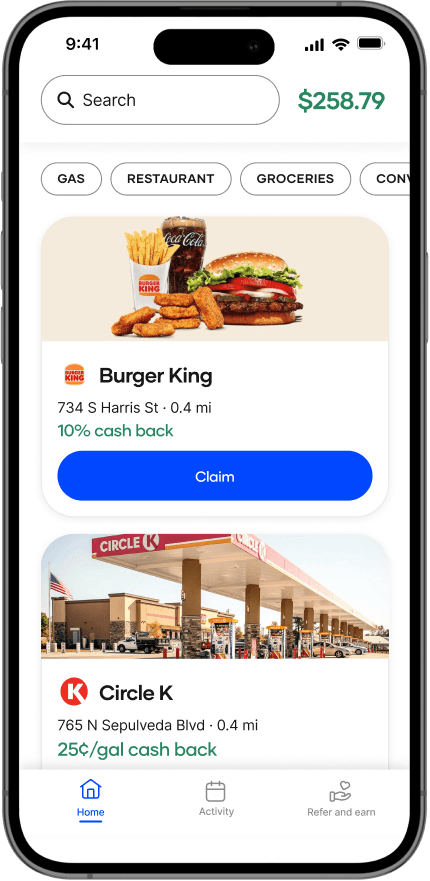 Everyday cash back on gas, groceries & dining
Over $1 BILLION earned by 5 MILLION+ users
NOW HIRING: Independent Work From Home Calling Agents
Information Millenium LLC is actively seeking motivated, detail-oriented individuals to join our growing team as Independent Work From Home Calling Agents. If you are looking for a flexible, remote opportunity with a company built on professional customer service and integrity, we welcome your application.
🎯 Available Opportunities & Partner Programs
-
Independent Calling Agents: Handle professional customer inquiries, provide exceptional service, and support our global client partnerships.
-
Affiliate Marketer Program: We are currently seeking capable affiliate marketers to assist in recruiting qualified agents for these positions. Contact us to receive full details regarding program terms, conditions, and competitive compensation structures.
📍 Operational States
We are currently operating and accepting applications from residents in the following states:
Alabama Kentucky North Dakota Alaska Louisiana Ohio Arizona Maine Oklahoma Arkansas Michigan Rhode Island Delaware Mississippi South Carolina Florida Missouri South Dakota Georgia Montana Tennessee Hawaii Nebraska Texas Idaho Nevada Utah Indiana New Hampshire Virginia Iowa New Mexico West Virginia Kansas North Carolina Wyoming 📝 How to Apply
To apply for a position or learn more about our affiliate marketing program, please utilize our form here www.informationmillenium.com/contact/.
-
Fill out your contact details completely.
-
In the message box, explicitly mention the position you are applying for (or your interest in the affiliate program).
-
Important: Please include the name of the individual who referred you, if applicable.
-
After submission, please monitor your inbox. A team member will respond with follow-up instructions within 24 to 72 hours.
-
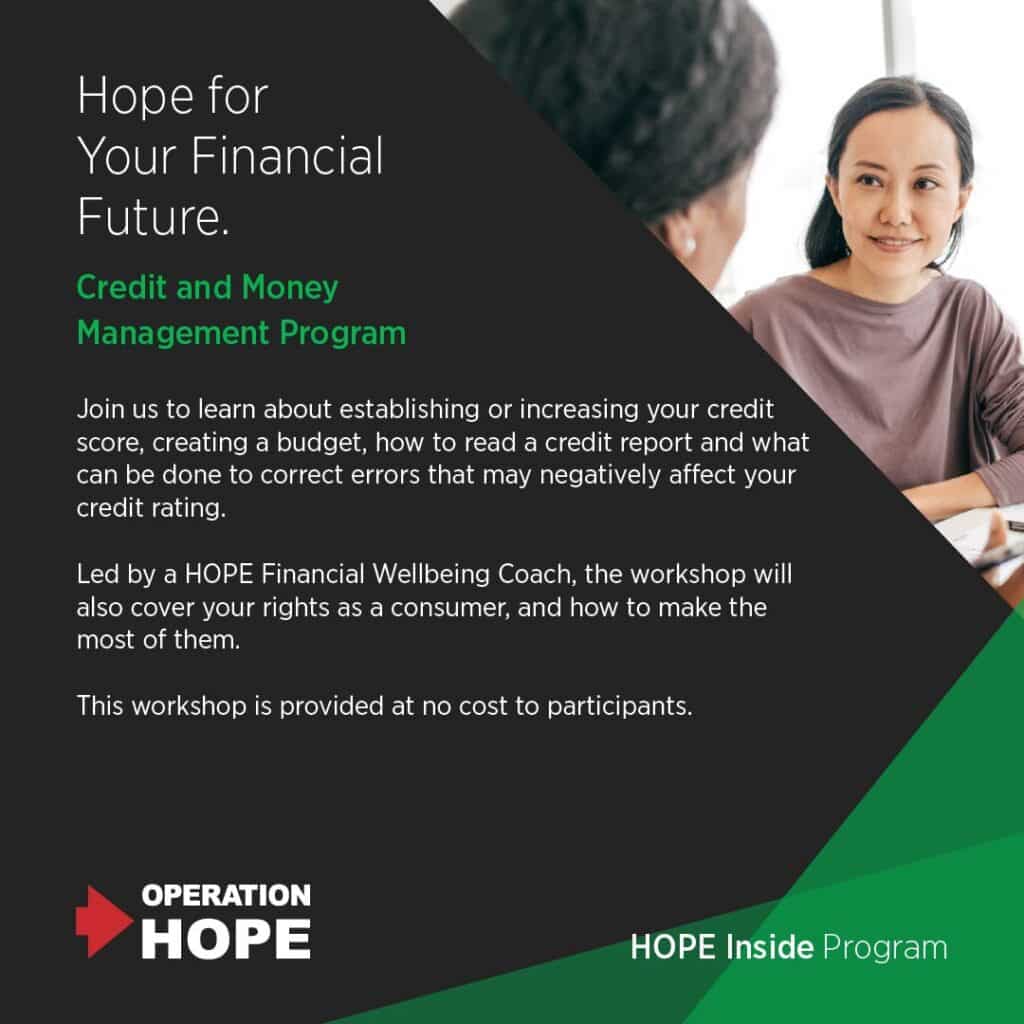
PSSTTT!!! TherUpcoming Event: Coming again soon! Credit & Money Management Workshop being presented by Operation Hope’s representative Glorines Santiago. Please check back soon for the date, time & place also, to confirm your attendance contact us by using the form above. An email will be sent after confirming your spot, thank you. Knowledge applied is power so, never miss an event that you are qualified for!!!
We are numerous persons seeking to get help fixing their credit usual this cost. What if we told you that you could have this done for ***FREE*** Learn how to increase your credit score etc. “There is hope for the future.” Here is an opportunity to come, meet & speak with your personal coach. Book a personal 1:1 at the end of this event with the coach for a more tailored repair to suit your circumstances at a time, most convenient to you both for FREEEEEEEE…..07/14/2026 Tuesday
Email marketing remains one of the most powerful and cost-effective digital marketing strategies available. Whether you are a small local business or a growing enterprise, it provides a direct line of communication to your audience.
Here are the primary benefits of email marketing for businesses:
1. High Return on Investment (ROI)
Email marketing consistently delivers one of the highest ROIs of any marketing channel. Because it doesn’t require print costs, ad space, or steep media placement fees, the overhead is incredibly low compared to the potential conversion rate.
2. Direct and Personalized Engagement
Unlike social media algorithms that limit who sees your organic posts, an email lands directly in your subscriber’s inbox.
-
Segmentation: You can divide your email list into specific groups based on demographics, past purchases, or engagement levels.
-
Tailored Messaging: Personalizing your content and offers to fit those specific segments ensures that your audience receives relevant information, which drastically increases open and click-through rates.
3. Builds Strong Relationships and Trust
Regular, value-driven communication helps keep your brand top-of-mind. By sharing helpful tips, industry insights, or exclusive updates, you establish your business as a knowledgeable authority and build long-term loyalty with your customer base.
4. Drives Sales and Conversions
Email is a highly effective tool for guiding prospects through the sales funnel.
-
It allows you to feature targeted product recommendations.
-
You can send automated reminders for abandoned shopping carts.
-
Strategically placed Calls to Action (CTAs) can quickly motivate readers to make a purchase, register for an upcoming workshop, or sign up for a service.
5. Measurable Performance Metrics
With email marketing, you don’t have to guess what works. Platforms provide detailed data and key performance metrics that let you track exactly how your campaigns are performing:
-
Open Rates: How many people opened your email.
-
Click-Through Rates (CTR): Which links or CTAs captured attention.
-
Bounce Rates & Unsubscribes: Helping you clean your list and maintain a healthy sender reputation.
6. Ownership of Your Audience List
On social media platforms, you are subject to changing rules, policy shifts, and algorithm updates that can instantly shrink your reach. Your email list is an asset that you own. No matter how external platforms change, you retain direct access to your audience.
Pro Tip for Success: To make the most of your strategy, create a structured execution plan—such as a 90-Day Action Plan—to outline your campaign goals, content themes, and tracking metrics before you begin sending.
“💻 View Detailed PC & System Requirements”
💻 PC & System Requirements (Minimum vs. Recommended)
-
Operating System: Genuine Licensed copy of Windows 11 with all updates installed. (ARM-based processors, Microsoft Surface, Chromebooks, tablets, and phones are strictly not supported).
-
CPU / Processor Speed:
-
Intel: Core i3-9000, i5-7000, i7-5000, i9 series or better.
-
AMD: Ryzen 3 series, Athlon 3000 series or better.
-
Other: Pentium G5400/N6400 or Xeon E Class series or better.
-
-
Memory (RAM): 4 GB RAM minimum (8 GB RAM recommended).
-
Hard Drive Storage: 20 GB of available space / 60 GB total (30 GB available recommended).
-
Connection Type: PC must be hard-wired via an Ethernet cable. (Wi-Fi/Wireless connections are strictly prohibited during work hours).
-
Internet Speed: Minimum 10 Mbps download / 3 Mbps upload (30 Mbps download / 10 Mbps upload recommended).
-
Maximum Latency Threshold: 120 ms maximum (50 ms or lower recommended).
-
Monitor Setup: Minimum 1280 x 1024 resolution (1920 x 1080 Full HD recommended). Dual monitor capability may be required depending on the client program.
-
Hardware Ports & Audio: Available USB 3.0 port required for a dedicated USB headset with a noise-canceling microphone.
Information Millenium LLC began with a simple but powerful vision: to create a place where people could find dependable information without confusion, overwhelm, or fear. Through challenges, growth, and determination, we have built a platform that reflects our values — faith, perseverance, and service.
Today, we continue that mission with gratitude and purpose.
Our Promise to You
Your satisfaction matters deeply to us. We are committed to:
-
Providing clear, helpful, and relevant information
-
Offering personalized guidance when needed
-
Maintaining professionalism and respect in every interaction
We are here to support your journey — and we are honored to serve you.


CALM (3-PACK)
CAN SUPPORT THE REDUCTION OF STRESS AND PROMOTE RELAXATION WITH CALM
All natural handmade Jamaican soaps available. Prices: Wholesale $5.50 (25 or more) & Retail $10 each mailed internationally as well. Contact: Erica at Str8 From Yaad LLC. Phone 414-975-5390 or WhatsApp 876-547-3147 to learn more about their amazing products being offered.








💡 Tips for Thriving in a Remote Work Environment:
-
Develop a Morning Routine: Crafting a routine that marks the beginning of your workday (like brewing coffee, taking a quick jog, or getting dressed) can be more impactful than simply logging on.
-
Enhance Communication: In remote work, over-communicating ensures team alignment and reduces the risk of misunderstandings.
-
Establish Boundaries: Set clear work hours and inform your household members to help reduce interruptions and maintain a healthy work-life balance.
-
Incorporate Breaks: Integrate regular, brief pauses into your schedule to prevent burnout and boost focus all day.
-
Maintain Connections: Leverage technology to keep in contact with coworkers. Frequent messaging and video calls sustain team unity and combat loneliness.
-
Tidy Your Workspace: An orderly, clean dedicated workspace significantly improves concentration, focus, and overall productivity.
Six Helpful Tips for Thriving in a Remote Work Environment
- Creating a routine to signal the beginning of your workday can be more beneficial than merely setting a start time. Such a routine could include brewing a cup of coffee, going for a jog, or getting dressed for the day.
- When working remotely, it’s essential to communicate more frequently than you might in a traditional office environment. This practice helps to keep everyone aligned and can prevent misunderstandings.
- Defining your work hours clearly and communicating them to your household can help minimize distractions and maintain a work-life balance.
- Scheduling regular breaks is key to preventing burnout. Taking short breaks throughout the day can maintain focus and enhance productivity.
- Leveraging technology is key to staying connected with colleagues. Frequent video calls and messaging can sustain team unity and combat feelings of isolation.
- Maintaining a clean and organized workspace is key to improving focus and productivity. A clutter-free environment can significantly impact your efficiency.
Friday 0710/2026
Data were collected via the Gallup World Poll, and researchers from the World Bank Development Research Group and the Global Financial Literacy Excellence Center at George Washington University conducted the analysis. The findings represent the world’s largest, most comprehensive global measurement of financial literacy to date.
Scandinavian countries have the highest financial literacy rates globally, with Norway, Denmark and Sweden at 71% each. Israel (68%), Canada (68%), the United Kingdom (67%), the Netherlands (66%) and Germany (66%) are also among the most financially literate countries in the world.
Yemen (13%), Albania (14%) and Afghanistan (14%) are the least financially literate populations worldwide, with one in seven or fewer residents financially literate.
BY JUSTIN MCCARTHY AND ANITA PUGLIESE
contact us page
Let’s Stay in Touch
Hello there!!! wonderful, fabulous you! Need to get in touch with us, feel free to fill out the form below and we’ll definitely be in touch shortly! Remember, an event that you are qualified for you should never miss it. Take charge, be bold, confident and trust God, you got this!! We are confident as “God is our anchor and we have superb information”
Disclaimer: Information submitted through this form is transmitted using industry‑standard security measures. However, no online communication can be guaranteed completely risk‑free, and Information Millenium LLC cannot control the security of external networks or devices used to submit this form. Please avoid including sensitive personal, financial, or medical information. Submitting an inquiry does not create a contractual or service relationship.
All natural handmade Jamaican soaps available made by Str8 from Yaad LLC. To learn how you could obtain all products being offered by this company, please visit our Ads page.


Thursday 07/10/2026

COME ONE! COME ALL!👣👣👣👣👣👣👣👣👣👣

Wednesday 07/09/2026
1. The Module-by-Module Breakdown (The Roadmap)
People want to know exactly what they are buying. Giving them a sneak peek of the 6-module structure builds immense value.
Inside the 6-Module Blueprint
Module 1: Credit Fundamentals & Decoding Your Score
Master how the bureaus calculate your score and uncover the hidden metrics that matter most.
Module 2: The Audit Phase (Spotting the Traps)
Learn exactly how to read a credit report like a pro and identify errors sabotaging your score.
Module 3: Strategic Dispute Frameworks
Step-by-step guidance on how to leverage consumer law to challenge inaccuracies effectively.
Module 4: Rebuilding & Optimization
The exact blueprint for adding positive history, maximizing credit utilization, and rapid score recovery.
Module 5: Advanced Debt Reduction Strategies
How to restructure what you owe without tanking your score, freeing up cash flow for wealth building.
Module 6: Long-Term Wealth & Legacy Planning
Transition from credit management to asset building, budgeting, and securing your financial future.
2. “What’s Included” Value Stack
Show them that they aren’t just getting text—they are getting an entire toolkit.
What You Get When You Enroll Today:
Comprehensive Video Lessons: Clear, jargon-free walk-throughs of every strategy.
The Credit Blueprint Workbook: Actionable worksheets to map out your specific financial goals.
Exclusive Downloadable Tools: Custom dispute trackers, budgeting logs, and calculation spreadsheets.
Lifetime Access: Study at your own pace with free updates whenever credit laws change.
3. “Who This Is For” vs. “Who This Is NOT For”
This qualifies your leads and makes the right person feel like the course was built specifically for them.
Is This Course Right For You?
This is for you if:
You want to buy a home, get a better vehicle rate, or secure business funding soon.
You are tired of feeling stressed or confused when looking at your financial profile.
You want a structured, step-by-step system rather than guessing on your own.
This is NOT for you if:
You are looking for an overnight “magic trick” or overnight credit sweep (we focus on real, lasting results).
You aren’t ready to take consistent action on the modules.
4. Frequently Asked Questions (FAQ)
An FAQ section is perfect for handling common hesitations right on the page.
Frequently Asked Questions
Q: How long do I have access to the course?
A: You get lifetime access! You can go entirely at your own pace and revisit the modules whenever you need a refresher.
Q: Is my financial data safe using these tools?
A: Absolutely. The downloadable tools are completely private to you, allowing you to manage your numbers securely on your own device.
Q: Will this work if I have a very low score or past bankruptcies?
A: Yes. The blueprint is designed to build a foundation from any starting point, focusing on universal rules of credit optimization and rebuilding.
Where to insert this:
You can drop these sections right after the line that says “Together, we are going to break down the complexities of financial literacy…” and right before your “Ready to Go Beyond the Basics?” header.
Which of these sections would you like to build out or customize first?
Ready to Go Beyond the Basics?
The introductory tools are just the beginning. To truly take control, you need a proven system. To truly take control, you need a proven system. Follow the 6-module roadmap outlined above in exact order and watch your score climb. Our system breaks down the complexities of credit optimization into actionable, daily wins so you can confidently write the next chapter of your financial story.
Your 6-Module Roadmap: The Credit Blueprint Mastery Course is Finally Here!
Every module builds on the last. Follow the blueprint in order and watch your score climb.
Your credit score affects more than just loans. It impacts your insurance rates, rental applications, even job offers in some industries. 
Most people don’t realize how much power this 3-digit number holds — or how much control they actually have over it.
Our Credit Blueprint Mastery Course breaks it all down into 6 clear, jargon-free modules designed to take you from beginner to beyond. Follow the blueprint in order, take advantage of exclusive downloadable tools, and watch your score climb.
 Join 3,500+ students who have raised their scores by an average of 87 points.
Inside the 6-Module Blueprint
-
Module 1: Understanding Your Credit Report
Master how the bureaus calculate your score and uncover the hidden metrics that matter most.
-
Module 2: Dispute Errors & Remove Negatives (Spotting the Traps)
Learn exactly how to read a credit report like a pro and identify errors sabotaging your score.
-
Module 3: Strategic Dispute Frameworks
Step-by-step guidance on how to leverage consumer law to challenge inaccuracies effectively.
-
Module 4: Rebuilding & Optimization
The exact blueprint for adding positive history, maximizing credit utilization, and rapid score recovery.
-
Module 5: Advanced Debt Reduction Strategies
How to restructure what you owe without tanking your score, freeing up cash flow for wealth building.
-
Module 6: Long-Term Wealth & Legacy Planning
Transition from credit management to asset building, budgeting, and securing your financial future.
Are you aware of the true cost of credit? Some people might say it is free—but what do you think? Credit plays a major role in securing a job, finding housing, getting loan approvals, and determining your interest rates.
Today, we will look into how your credit is scored. Various criteria are used to calculate your credit score, including your types of credit, new credit inquiries, and the length of your credit history. However, the two most important factors are whether you pay your bills on time and your overall outstanding balances relative to how much credit you have available.
Credit Power
To reach different financial goals, different types of credit can help you. A healthy mix of personal, vehicle, and student loans, alongside home equity financing, mortgages, lines of credit, and credit cards (both secured and unsecured) can work wonders.
Qualification for these lines of credit largely hinges on your history. Over time, paying on time and managing your limits responsibly establishes a reliable track record. Understanding how to build credit can either propel you toward your goals or set you back. Your payment history and management practices are crucial, making up a significant portion of your score.
The Importance of Your Credit History
Your financial habits are captured entirely within your credit report. This report consists of four major components:
-
Personal Information: Consists of variations of your name, residential addresses, employment history, and phone numbers.
-
Potential Negative Items: Items like bankruptcies, late payments, defaults, court judgments, and liens can deeply impact your plans and can stay on your record for up to seven to ten years.
-
Requests for Your Credit: Whenever a company reviews your credit report for housing applications, credit lines, or account monitoring, an inquiry is noted. These are strictly regulated by the Fair Credit Reporting Act (FCRA).
-
Accounts in Good Standing: Closed or active accounts (like revolving credit lines and installment loans) stay on your report to showcase your positive payment history and responsible balance management.
Pro-Tip: There are no quick fixes. If you are serious about establishing great credit, managing it with a few intentional steps will get you moving in the right direction.
Best Practices for Credit Success
-
Set up automatic bill payments to ensure you never miss a due date.
-
Keep your credit utilization under 30% of your limit. Avoid maxing out your cards!
-
Pay your full balance—or at least more than the minimum due—on or before your due date.
If obtaining traditional credit is difficult, you can start by applying for a secured credit card, where you provide your own capital as collateral. Applying for store or gas cards is another option, though keep in mind they often carry higher interest rates than major credit cards.
To make sure you know exactly what lenders see, check your credit report regularly. By law, you can request a free annual credit report from each consumer reporting agency.
Check Your Credit Safely:
-
TransUnion: 800-916-8800
-
Equifax: 800-685-1111
-
Experian: 888-397-3742
Master Your Credit — From Beginner to Beyond
Welcome to Our Credit Blueprint: Your Financial Turning Point! 🚀
Whether you’re starting from scratch or ready to level up, The Credit Blueprint gives you the exact system to understand, build, and take full control of your credit at any stage. We are thrilled to have you join our community dedicated to credit mastery and wealth management.
Whether you are here to take your first steps toward rebuilding your credit score, establishing a bulletproof family budget, or architecting a long-term wealth strategy to secure your future, you have landed in exactly the right place.
Your 6-Module Roadmap In-Depth Credit Blueprint Mastery Course is Finally Here!
Every module builds on the last. Follow the blueprint in order and watch your score climb.
Your credit score affects more than just loans. It impacts your insurance rates, rental applications, and even job offers in certain industries. 📊 Most people don’t realize how much power this 3-digit number holds—or how much control they actually have over it.
The Credit Blueprint breaks it all down into 6 clear modules. No jargon. No gimmicks. Just a proven system that has helped over 3,500 students raise their scores by an average of 87 points
Monday 07062026 Early on with Information Millenium LLC, B. L. Daney decided to start a business that can reach any type of businesses and consumers at large globally. The business while building its brand to ensure that we deliver superb information/opportunities at all times, through our trust in God and our beliefs, we persevere and the company kept its promise. Our motto says:
” God’s our anchor and we have superb information”
The world of technology can be fast-paced and scary. That’s why our goal is to provide an experience that is tailored to your company’s needs. No matter the budget, we pride ourselves on providing professional customer service. We guarantee you will be satisfied with our work.
An Informational Experience
With our knowledge, we are well-versed for over 25 years in providing a wealth of variety informational services. We work globally with just about any legitimate information that can be considered beneficial to organization or anyone whosoever, encounters with our site. We use our expertise to help educate, inspire, empower, enrich, advertise & edify customers in search of a vast majority of opportunities/services available to the best of our abilities
Let’s Stay in Touch
Hello there!!! wonderful, fabulous you! Need to get in touch with us, feel free to fill out the form below and we’ll definitely be in touch shortly! Remember, an event that you are qualified for you should never miss it. Take charge, be bold, confident and trust God, you got this!! We are confident as “God is our anchor and we have superb information”

Opening Hours
Mondays – Thursdays: 8AM EST – 6PM EST Fridays: 8AM EST – 4PM EST Phone Contact: 954-589-5448 or reach us by using the form above.
NOW HIRING!!!Independent Work from Home Calling Agents.
For all contacts please fill out the form above. Additionally, if contacting us for a position please make mention of this in the message box & also who referred you. After submitting this completed form, please check your email within 24-72 hours for a response or with follow up instructions! Thanks in advance for your interest. We are also, EXCITED! to inform you that we are still seeking independent work from home calling agents. We are also currently seeking affiliate marketers who are, capable of recruiting agent(s) for these positions. Interested in this opportunity then, contact us. We will be more than happy to send you further details with, the terms and conditions of how the program works including, its compensation. Below are the states that we operating in, looking forward to hearing back from you.

Encore the Barber
Whether you’re a professional or beginner, see quality results with our premium grooming essentials.

Upcoming Event: Credit & Money Management Workshop being presented by Operation Hope’s representative Glorines Santiago. To attend contact us by using the form below stating that you would like to attend the event. An email will be sent after confirming your spot, thank you. Coming again soon! backed by popular demand. Please check back soon for the date, time & place. Knowledge applied is power so, never miss an event that you are qualified for!!!

COME ONE! COME ALL!👣👣👣👣👣👣👣👣👣👣


A step-by-step blueprint for people recovering from bad credit. Dispute errors, build positive history, and reach your target score — no gimmicks, no confusion.
You’re Not Alone
Bad credit doesn’t have to be your story forever.
Whether it was medical bills, a job loss, a divorce, or just not knowing how credit worked — the past doesn’t define your future. The Credit Blueprint gives you a clear, proven path forward.
- Denied for apartments, cars, and credit cards
- Overwhelmed by collections and confusing reports
- Tried to fix it before but didn’t know where to start
- Ready to finally take control and build something real

The Blueprint
Your 6-Module Roadmap
Every module builds on the last. Follow the blueprint in order and watch your score climb.
Understanding Your Credit Report
Decode every line of your credit report. Learn what’s hurting your score and exactly what you can dispute.
Dispute Errors & Remove Negatives
Step-by-step dispute letters that work. Remove collections, late payments, and inaccurate items legally.
Building Positive Credit History
The right accounts to open, in the right order. Secured cards, credit-builder loans, and authorized user strategies.
Credit Utilization Mastery
The single biggest lever most people ignore. Learn how to manage balances to maximize your score fast.
Advanced Score Optimization
Rapid rescore tactics, credit mix strategy, and how to prepare for a major purchase like a home or car.
Protecting & Maintaining Your Score
Build systems that keep your score high for life. Monitoring, alerts, and habits that protect your progress.
Real Results
Students Who Turned It Around
“I went from being denied for everything to qualifying for a mortgage. This course changed my family’s life.”
“I followed the dispute module and had 4 collections removed in 60 days. My score jumped 183 points.”
“I was embarrassed to even check my credit. Now I’m proud of it. The step-by-step approach made it actually doable.”
Everything You Need
Your complete credit recovery toolkit
-
22 in-depth video lessons across 6 modules
-
Dispute letter templates that actually work
-
Credit score tracking spreadsheet & calculator
-
Step-by-step action checklists for each module
-
Private student community for support & accountability
-
Lifetime access — learn at your own pace
Full Course Access
or 3 payments of $69
- 22 video lessons
- Dispute letter templates
- Score tracking tools
- Private community access
- Lifetime access
- 30-day money-back guarantee
Secure checkout. 30-day money-back guarantee.
Your Turning Point
The best time to fix your credit was yesterday. The second best time is right now.
Join 2,400+ students who stopped letting bad credit hold them back. Your blueprint is waiting.
Start Your Blueprint Today30-day money-back guarantee. No questions asked.
Cookie Consent
**Disclaimer: All of the suggestions on this and any other pages as it pertains to your health could work in conjunction with whatever your doctors recommend. You should always consult with your physician before exercising, dieting or using products/services mentioned as results varies. ** 07/02/2026 Check out these tips for thriving in a remote work environment:
- Develop a Morning Routine: Crafting a routine that marks the beginning of your workday can be more impactful than simply deciding on a start time. This might involve brewing a cup of coffee, taking a jog, or dressing for the day.
- Enhance Communication: In remote work, it’s essential to over-communicate compared to a traditional office environment. This ensures alignment and reduces the risk of misunderstandings.
- Establish Boundaries: Set clear work hours and inform your household members. This aids in reducing interruptions and helps balance work and personal life.
- Incorporate Breaks: Integrate regular breaks into your schedule to prevent burnout. Brief pauses can boost focus and efficiency all day.
- Maintain Connections: Leverage technology to keep in contact with coworkers. Frequent video calls and messaging can sustain team unity and combat loneliness.
- Tidy Your Workspace: An orderly workspace can significantly improve concentration and efficiency. A tidy area contributes to better productivity.
Do you have any specific challenges you’re facing while working from home? NOW HIRING!!! Work from home inbound calling agents. We are currently seeking English speaking reps as well as bilingual (Spanish/English) reps.Opportunities like these fill up FAST! So…start the enrollment process NOW!! Opportunities available for interested individuals to service a global technology leader, a S&P 500 Index and the Fortune 500 prominent member, a payment & financial technology expert for over 40 years? This program provides financial technology and services to its clients across multiple financial services sector. We also offer non medical transportation, utilities, roadside assistances & retailers programs. These are just few of the many programs available to work full-time or part-time!!!

We all have one, don’t we? A “money story” is essentially the blueprint of how we view, handle, and feel about finances. It’s shaped by everything from how we grew up watching adults handle bills, to our very first paychecks, to the big financial wins and stressful hurdles we face along the way.
Some chapters are about building things from scratch, navigating risks, and figuring out how to make resources work for us. Other chapters are about learning hard lessons, pivoting when a plan doesn’t pan out, and realizing what’s actually worth investing our time and energy into.
Ultimately, the best part about a money story is that it isn’t fixed—we’re the ones writing the current chapter, and we can change the direction of the plot whenever we decide to focus on new goals.
What made you think of your money story today? Are you looking to rewrite a specific chapter, map out some new goals, or just reflecting?
- Examples: Rent/Mortgage, Basic Groceries, Utilities, Insurance & Minimum Debt Payments.
 The “Lifestyle Creep” Warning Signs” Lesson 1.3: The 50/30/20 Framework – Allocating 50 percent to needs, 30 percent to wants & 20 percent to savings/debt. This lesson teaches students how to automate their decisions by categorizing every dollar into three simple buckets.
- 50 percent for Needs: Non-negotiable like rent/mortgage, utilities, groceries, insurance & minimum debts payments.
- 30 percent for Wants: Lifestyle choices such as dining out, hobbies, streaming subscriptions & travel.
- 20 percent for Savings & Debt: Contributions to an emergency fund, retirement accounts & extra payments toward high-interest credit card.

- If Needs> 50 percent: Identify one subscription to cancel or one utility to negotiate
- If Future < 20 percent: Move $50 from the “Wants” bucket to savings immediately
Here is a streamlined, execution-focused action plan to take control of your cash flow, optimize your resources, and build a sustainable financial rhythm.
Phase 1: The Diagnostics (Days 1–3)
Before changing how you spend, you need an accurate picture of where every dollar is currently going.
-
Gather the Data: Pull bank statements and credit card history from the last 30 to 60 days.
-
Categorize Everything: Divide your expenses into three clear buckets:
-
Fixed/Hard Costs: Rent/mortgage, utilities, insurance, loan payments, and recurring business overhead.
-
Variable/Flex Costs: Groceries, gas, dining out, shopping, and entertainment.
-
Future/Savings: Emergency funds, investments, or sinking funds for irregular expenses (like car maintenance or travel).
-
-
Identify the Baseline: Calculate your net monthly income vs. your total monthly output to find your true baseline surplus or deficit.
Phase 2: The Architecture (Days 4–7)
Choose a structure that matches your psychological style. Avoid overly restrictive systems that lead to burnout.
-
Select a Framework:
-

-
The 50/30/20 Rule: 50% to Needs, 30% to Wants, 20% to Savings/Debt Paydown. (Best for simplicity).
-
Zero-Based Budgeting: Every single dollar is assigned a specific job before the month begins, ensuring $Income – Expenses = 0$. (Best for maximum control and optimizing business/personal crossover).
-
-
Automate Fixed Priorities: Set up automatic transfers to your savings, investments, or high-priority bills immediately following your primary income dates. If the money moves before you see it, you won’t miss it.
-
Establish a “Buffer”: Keep a small, liquid cash cushion in your checking account to handle minor, unexpected spikes in utilities or daily expenses without disrupting the main plan.
Phase 3: Optimization & Execution (Ongoing)
A budget isn’t a restriction; it’s a tool for allocation.
-
Trim the Friction Points: Look at your variable bucket. Pick one area of high emotional spending (e.g., convenience dining or subscription creep) and cut it by 20% this month.
-
Weekly Check-ins: Spend 10 minutes every Sunday reviewing your accounts. Tracking weekly prevents a minor overspend in week one from destroying the entire month.
-
Review and Calibrate: At the end of 30 days, adjust the categories. If you consistently overspend on groceries but underspend on entertainment, update the plan to reflect reality rather than forcing yourself into an unrealistic box.
 Choosing Your “Money Engine” is a crucial part of this Module 1! Since there is a difference in our “money personalities” as it relates to different individuals. These distinctive options ensure that each persons finds a system that sticks. For our tool selection, let’s explore two popular methods: zero -based budgeting, apps & the envelope system. Zero-based budgeting apps offer a digital approach, where every dollar/cent is assigned a purpose, providing real-time tracking & management on the go. In contrast, the envelope system uses physical envelopes to divide funds into specific categories, offering a tangible way to control spending. Here is the breakdown for this lesson 1.4.
-
Zero-Based Budgeting (The Logic): Explaining the philosophy of $Income – Expenses = 0$.
-
Budgeting Apps (The Automation): For those who want tech to do the heavy lifting.
-
The Envelope System (The Discipline): For those who need a physical barrier to spending.
We are highlighting an important distinction in how budgeting is taught.
Strictly speaking, Zero-Based Budgeting (ZBB) is the methodology (the “how-to”), while Apps are the tools used to execute that method.
However, in modern financial literacy, the two are often fused because the most popular apps (like YNAB) require you to use the zero-based method. To keep the course clear and professional.
Option 1: The “Method vs. Tool” Approach (Recommended)
If you want to be precise, frame it as a choice between a Digital System and a Physical System.
-
The Digital Approach: Zero-Based Budgeting Apps (The “Digital” Personality)
-
Concept: Using software to give every dollar a job before the month begins. Total Income-Expenses= Zero
-
Pros: Real-time syncing, automated math, and accessibility on the go. Who is this for? People who always have their phones on them, love automation & want to see their progress in real-time.
-
-
-
Examples: YNAB (You Need A Budget).
-
-

The traditional cash envelope system is a physical budgeting method designed to prevent overspending by giving you a tangible, visual look at your money.
Here is exactly how the system is structured and why it works:
1. Labeling the Categories
You start with physical paper envelopes or a dedicated binder wallet. Each envelope is labeled with a specific variable spending category where you tend to overspend, such as:
-
Groceries
-
Dining Out
-
Entertainment
-
Gas/Transport
2. Funding the Envelopes
When your paycheck arrives, you withdraw a pre-determined amount of cash based on your budget. You physically distribute that cash into the corresponding envelopes.
For example, if your monthly budget for dining out is $200, you place exactly $200 in cash into that specific envelope. The rest of your money stays in your bank account to cover automated fixed bills like rent or insurance.
3. Spending and Guardrails
When you go to the store, you pull cash strictly from the designated envelope.
-
The Hard Stop: If you are at a restaurant and your “Dining Out” envelope is completely empty, you cannot spend any more in that category until the next month or the next paycheck.
-
The Rollover: Any cash left over at the end of the budgeting cycle can either be rolled over into the next month, deposited into a savings account, or used to pay down debt faster.
-
-
Concept: Using physical cash tucked into labeled envelopes for different spending categories. Withdrawing cash for problem categories (such as groceries, dining out or gas) & putting them in labeled envelopes. You need to stop spending in this category once the cash is gone.
- Who is this for? People who struggle with “swiping fatigue” (overspending on cards) & need to feel the money leaving their hands to stay disciplined.
- Pros: High tactile discipline; once the cash is gone, you literally cannot spend more.
-
-
-
Best for: People who struggle with overspending on cards.
-
-
- The Benefit: It provides an absolute boundary. You can’t “accidentally” spend money that isn’t in the envelope.
The Qube Money App is a highly effective tool if you are drawn to the cash envelope budgeting method but want a completely digital, frictionless execution.
Instead of tracking what you spent after the fact (which is reactive), Qube is designed around intentional spending—making you look at what you have allocated before you swipe.
The app is currently in a major transitional phase with two distinct tracks: Qube Checking and their newer Qube+ system. Here is a breakdown of how it works, what’s changing, and who it’s best for.
The digital interface of the Qube Money system transitions the traditional paper envelope method into a mobile banking environment.

1. Digital “Qubes” (Envelopes)
Instead of physical paper, your income is partitioned into individual, color-coded digital buckets directly on the screen. Each category (e.g., Groceries, Restaurants, Gas) displays its exact remaining balance in real time, removing any ambiguity about how much money is left to spend.
2. The “Default Zero” Guardrail
The core security and discipline mechanism relies on a zero-balance state. Your linked debit card holds a balance of $0 until you actively open the app, tap into a specific qube, and unlock the funds immediately before a transaction.
3. Intentional Checkout Steps
-
Select: Open the app at checkout and select the intended category.
-
Authorize: Tap to unlock the exact amount needed.
-
Swipe: Swipe the card. The transaction pulls exclusively from that specific qube and automatically relocks the card back to zero once completed.
How the Core Concept Works
In tradi tional envelope budgeting, you put physical cash into paper envelopes labeled “Groceries,” “Rent,” or “Entertainment.” When an envelope is empty, you stop spending in that category.
Qube digitizes this by letting you create “Qubes” (digital envelopes).
-
You allocate your income into specific Qubes.
-
When you want to buy something, you open the app, select the specific Qube (e.g., “Dining Out”), and “open” it.
-
The funds are instantly queued up, allowing your transaction to go through for that exact category.
Qube Checking vs. Qube+ (The 2026 Shift)
Qube is moving away from forcing you to change your entire banking setup, offering two different approaches depending on what you prefer:
-
Qube+ (The New Model): This connects directly to your existing bank accounts and credit cards (via Plaid). You do not have to move your money or change your primary bank. You use a feature called “PreQubing” to log your purchases at checkout, which instantly updates your digital envelope balances so you always know what’s left, all while still earning your normal credit card rewards.
-
Qube Checking (The Classic Model): This acts as a full-suite digital bank account paired with a proprietary Qube Visa debit card. It utilizes “Default Zero” technology—meaning your debit card balance is literally $\$0$ until you manually open a Qube on your phone right before swiping. Note: Qube is currently transitioning to a new sponsor bank partner to relaunch this feature fully, meaning point-of-sale card declines are temporarily paused on new setups until the infrastructure is finalized.
The Pros and Cons

The Pros:
-
Real-Time Discipline: It physically stops impulse spending because it forces an intentional step (tapping the app) before a transaction occurs.
-
Subscription Control: Excellent for stopping “subscription creep.” You can assign recurring bills to specific Qubes; if the Qube doesn’t have the funds, the merchant can’t unexpectedly charge you.
-
Great for Couples/Families: It syncs instantly across multiple devices, meaning partners can see the exact remaining balance of a joint “Groceries” qube in real-time, eliminating communication gaps.
The Cons:
-
Subscription Cost: While there is a basic version, unlocking unlimited Qubes, subscription controls, and joint accounts requires a paid Premium or Family membership.
-
No Growth Features: Qube is strictly a cash-flow management and spending tool. It does not offer high-yield savings interest or investment options.
-
Friction: If you hate having to open an app on your phone while standing in a checkout line, the “Default Zero” or “PreQubing” process can feel tedious rather than empowering.
The Verdict
If your biggest budgeting challenge is consistency or impulse spending, Qube Money is one of the few apps on the market that actively alters your behavior at the point of sale, rather than just showing you a pretty chart of your mistakes at the end of the month. If you prefer a completely automated, hands-off system, it might feel like too much maintenance.
Are you looking at Qube to manage your personal day-to-day spending, or are you trying to find a system to keep joint family expenses organized?
- Payment History (35 percent): This is the heaviest hitter. Do you pay on time?
- Amount Owed/Credit Utilization (30 percent): How much of your credit limit are you using? (Ideal amount is under 30 percent).
- Length of Credit History (15 percent): How old are your oldest accounts?
- Credit Mix (10 percent): Do you have different kinds of credit ( cards. auto. student loans)?
- New Credit (10 percent): How many times have you applied for recently?
 Individuals are at often times confused on these two.
- The Report: The “transcript” or history of your financial behavior.
- The Score: The “GPA” or the grade assigned based on history.
- Action Step: Teach them how to pull their report for free (AnnualCreditReport.com) & how to spot errors
While they are often used interchangeably, a credit report and a credit score are two entirely different things. Think of your credit report as your academic transcript, and your credit score as your GPA.
Here is the breakdown of how they differ and how they work together:
The Credit Report (The Transcript)
Your credit report is a detailed, multi-page history of your financial behavior. It is compiled by the three major credit bureaus: Equifax, Experian, and TransUnion.
-
What it contains: * Personal Information: Your name, address history, Social Security number, and employment history.
-
Credit Accounts (Trade Lines): A list of your credit cards, auto loans, mortgages, and student loans. It shows when you opened them, your credit limits or loan amounts, and your current balances.
-
Payment History: A month-by-month record of whether you paid on time or were 30, 60, or 90+ days late.
-
Public Records: Bankruptcies, foreclosures, or tax liens.
-
Inquiries: A list of companies that have checked your credit recently.
-
-
How to get it: You can pull your official credit reports for free at AnnualCreditReport.com.
An official credit report transcript contains detailed sections summarizing your financial history. When you pull a formal statement from Equifax, Experian, or TransUnion, it is organized into four core pillars:
1. Personal Information
This section anchors the report to ensure identity accuracy. It lists your full legal name, known variations or aliases, current and previous addresses, date of birth, and masked Social Security Number.
2. Account History (Tradelines)
This is the most critical section of the transcript, breaking down every open and closed credit account. For each account, it details:
-
Creditor Name & Account Number: The institution holding the loan or card.
-
Account Type: Revolving (credit cards) or Installment (auto loans, mortgages).
-
Payment Status: Marked as “Current,” “Paid as Agreed,” or a specific delinquency marker (e.g., 30, 60, or 90 days late).
-
Balances & Limits: The highest balance carried, current balance, and credit limit.
3. Public Records & Collections
This section highlights severe financial events that negatively impact credit health. It includes accounts turned over to third-party collection agencies, as well as legal public records such as bankruptcy filings.
4. Credit Inquiries
A log of who has requested to view your credit profile over the last two years.
-
Hard Inquiries: Triggered when you actively apply for new financing (impacts your credit score).
-
Soft Inquiries: Generated by background checks, pre-approvals, or your own personal reviews (does not impact your score).
The Credit Score (The GPA)
Your credit score is a single, three-digit number (typically ranging from 300 to 850) that distills all the data in your credit report into a quick snapshot of your creditworthiness.
-
How it’s calculated: Scoring models (like FICO or VantageScore) use mathematical algorithms to analyze your credit report.
-
What influences it: * Payment History (35%): Do you pay bills on time? (The biggest factor).
-
Amounts Owed / Credit Utilization (30%): How much of your available credit are you using? (Keeping this under 30% is ideal).
-
Length of Credit History (15%): How long have your accounts been open?
-
New Credit (10%): Have you opened a lot of accounts recently?
-
Credit Mix (10%): Do you have a healthy blend of revolving credit (cards) and installment loans?
-
Quick Comparison
| Feature | Credit Report | Credit Score |
| Format | Detailed, multi-page document | A single 3-digit number |
| What it shows | Your exact financial history and habits | A prediction of how risky you are to lenders |
| Who creates it | Credit Bureaus (Experian, Equifax, TransUnion) | Scoring Models (FICO or VantageScore) |
| Analogy | Your report card / transcript | Your GPA |
The Bottom Line: You cannot have a credit score without a credit report, because the score is calculated directly from the data in the report. If there is an error on your credit report (like a late payment you actually paid on time), it will actively drag down your credit score.
How to Pull Your Credit Report for Free
By federal law, you are entitled to free copies of your credit reports from the three major nationwide credit bureaus: Equifax, Experian, and TransUnion.
-
The Official Site: Go to AnnualCreditReport.com. This is the only official website mandated by federal law to provide these free reports.
-
Frequency: While the law originally guaranteed one free report per bureau every 12 months, the bureaus permanently extended a pandemic-era policy allowing you to check your reports for free once a week online.
-
What you need: You will need to provide your full name, date of birth, Social Security number, and current/previous addresses. You will also have to answer security questions based on your financial history (e.g., “Which of the following banks do you have an auto loan with?”) to verify your identity.
How to Spot Errors: A Checklist

Once you download your reports, you need to review them line by line. Grab a highlighter (or use a digital tool) and look for mistakes in these four main categories:
1. Personal Information Errors
-
Are there misspellings of your name or variations you’ve never used?
-
Are there addresses listed where you have never lived?
-
Is an incorrect Social Security number or date of birth attached to your profile?
-
Why it matters: This could mean your file has been mixed up with someone else who has a similar name, or it could be a sign of identity theft.
2. Account Status Errors
-
Payment History: Are open accounts showing late payments or delinquencies when you know you paid on time?
-
Account Ownership: Are there credit cards, personal loans, or mortgages listed that you never opened?
-
Closed Accounts: Is an account you closed voluntarily listed as “closed by grantor” (meaning the bank shut it down)?
-
Balances and Limits: Are credit limits reported inaccurately low, or are loan balances showing much higher than they actually are?
3. Data Duplication & Age Errors
-
Duplicate Accounts: Is the same debt listed multiple times? (This frequently happens after a debt is sold to collection agencies).
-
Expired Negative Info: Most negative information (late payments, collections, Chapter 13 bankruptcy) is legally required to fall off your credit report after 7 years. Chapter 7 bankruptcies must drop off after 10 years. Check the dates to ensure old mistakes have been purged.
4. Inquiry Errors
-
Do you see “hard inquiries” from companies or auto dealerships you never authorized or applied with? (Soft inquiries, like promotional credit card offers or your own checks, are fine and don’t hurt your score).
What to Do If You Find an Error
If you spot an inaccuracy, do not ignore it—even small mistakes can drag down your credit score or prevent you from getting approved for loans.
-
Document the Error: Print out the page or take a screenshot, and gather any supporting documents (like a bank statement showing a payment was made on time).
-
File a Dispute: You can file a free dispute directly on the website of the credit bureau showing the error (Equifax, Experian, or TransUnion). By law, the bureau typically has 30 days to investigate and respond to your claim.
When it comes to debt management, the goal is to take a chaotic financial situation and bring it under a structured, predictable plan. Managing debt isn’t just about paying it off; it’s about optimizing how you pay it off to save money on interest and protect your credit score.
Here is a comprehensive breakdown of the best strategies, frameworks, and options available for managing debt effectively.
1. The Two Best Self-Managed Debt Payoff Strategies
If you want to manage and pay off your debt on your own without external intervention, you should choose one of these two proven mathematical frameworks.
Strategy A: The Debt Avalanche (Best for Saving Money)
With the Avalanche method, you list all your debts from highest interest rate to lowest interest rate, regardless of the balance.
-
How it works: You pay the absolute minimum on all accounts except the one with the highest interest rate. Throw every extra dollar you have at that highest-interest debt. Once it’s paid off, roll that entire payment into the next highest.
-
Pros: Mathematically superior; saves you the most money on interest and gets you out of debt faster.
-
Cons: Requires discipline. If your highest-interest debt is a massive balance, it might take months or years to see your first “win” (a completely closed account).
Strategy B: The Debt Snowball (Best for Psychological Motivation)
With the Snowball method, you list your debts from smallest balance to largest balance, regardless of the interest rate.
-
How it works: You pay the minimums on everything, and put all your extra cash toward eliminating the smallest balance first. Once that account hits zero, you take its entire former payment and add it to the minimum of the next smallest balance.
-
Pros: Built on behavioral psychology. You get quick, early victories by completely wiping out smaller accounts, which builds immense momentum.
-
Cons: You will pay more in total interest over time because you are ignoring high interest rates in favor of balance sizes.
2. Structural Tools to Lower Your Interest Rates
If your interest rates (especially on credit cards) are so high that your monthly payments are barely touching the principal balance, you can use structural tools to optimize your debt.
Credit Card Balance Transfers
-
What it is: Moving high-interest credit card debt to a new credit card that offers a 0% introductory APR period (usually lasting 12 to 21 months).
-
The Catch: You typically have to pay a one-time balance transfer fee (usually 3% to 5% of the amount transferred).
-
Best for: Someone with good to excellent credit who can realistically pay off the entire transferred balance before the 0% promotional period expires.
Debt Consolidation Loans
-
What it is: Taking out a single personal loan with a fixed interest rate and using those funds to completely pay off multiple high-interest credit cards or floating debts.
-
How it helps: Instead of managing 5 different payment due dates with fluctuating 25%+ APRs, you manage one fixed monthly payment at a significantly lower interest rate (often 10% to 15% depending on your credit).
-
Warning: Consolidating only works if you stop using the credit cards you just freed up. If you clear the cards with a loan and then max them out again, you will double your total debt.
3. Professional Debt Relief Interventions
If your total debt is completely overwhelming your income and self-management isn’t working, you may need to look into formal debt programs.
Credit Counseling & Debt Management Plans (DMPs)
-
How it works: You work with a certified, non-profit credit counseling agency. They review your finances and negotiate directly with your creditors to lower your interest rates and waive fees. You then make a single monthly payment to the agency, and they distribute it to your creditors.
-
Impact on Credit: Minimal. Your accounts will be closed, but a DMP does not severely damage your credit score like settlement or bankruptcy.
Debt Settlement
-
How it works: For-profit companies instruct you to stop paying your creditors and instead deposit money into a special savings account. Once you are severely delinquent, the company uses that lump sum to negotiate down the total amount you owe (e.g., settling a $10,000 debt for $5,000).
-
Impact on Credit: Severe. Your credit score will plummet because you must intentionally default on your loans for months to force negotiation. It can also lead to creditor lawsuits and tax liabilities on the forgiven debt.
Summary Comparison
| Method | Best For… | Impact on Credit Score | Primary Benefit |
| Debt Avalanche | Saving the absolute most money. | Positive (lowers credit utilization) | Minimizes total interest paid. |
| Debt Snowball | Staying motivated with fast results. | Positive (closes accounts, lowers utilization) | High psychological momentum. |
| Consolidation Loan | Simplifying multiple high-interest bills. | Neutral to Positive (may cause a temporary hard inquiry dip) | Swaps variable high APRs for one low fixed rate. |
| Debt Management Plan | Moderate to severe debt assistance. | Neutral (accounts close, but payment history stays clean) | Lowered interest rates via non-profit negotiation. |
Which specific type of debt (credit cards, personal loans, student loans) are you looking to organize right now?
Building future wealth isn’t about picking a single lucky stock or finding a quick fix; it’s about creating a sustainable financial engine. It requires shifting your focus from simply saving money to strategically growing it, protecting it, and minimizing the leaks (like high-interest debt and unnecessary taxes) that drain your net worth.
Here is the foundational framework for building and sustaining long-term wealth.
1. The Core Pillars of Wealth Building

Pillar A: Gap Expansion (Income vs. Expenses)
Wealth is built in the gap between what you earn and what you spend.
-
To expand the gap, you have two levers: lowering expenses or increasing income.
-
While budgeting keeps you afloat, scaling your income (through specialized career skills, business ownership, or side consulting) is what provides the raw capital needed to build true wealth.
Pillar B: Investing vs. Saving
Saving cash in a traditional bank account actually loses value over time due to inflation. Wealthy individuals use cash as a tool to buy appreciating assets—things that put money into your pocket while you sleep.
-
The Power of Compounding: If you invest money and earn a return, that return begins earning its own return. Over 10, 20, or 30 years, compounding interest does the heavy lifting, turning relatively small contributions into significant nest eggs.
2. The Wealth Hierarchy: Where to Put Your Next Dollar
To optimize your financial growth, your money should generally flow through these stages in order:
-
The Emergency Fund: Keep 3 to 6 months of living expenses in a High-Yield Savings Account (HYSA). This is your financial armor—it ensures you never have to pull money out of investments or go into debt when life happens.
-
Eliminate Toxic Debt: Pay off any debt with an interest rate higher than 7% to 8% (like credit cards or high-interest personal loans). Paying off a 20% credit card balance is the exact mathematical equivalent of getting a guaranteed 20% return on an investment.
-
Maximize Tax-Advantaged Accounts: Utilize retirement accounts (like a 401(k) or an IRA). These accounts shield your growth from taxes, meaning you keep a significantly larger portion of your wealth.
-
Taxable Brokerage Accounts & Assets: Once your tax-sheltered buckets are full, move extra capital into standard investing accounts, real estate, or business ventures to generate liquid wealth and passive income streams.
3. Diversified Asset Classes for Growth
A resilient wealth portfolio spreads risk across different types of investments:
-
Equities (Stocks): Buying shares of companies. The easiest way to do this safely is through Low-Cost Index Funds or ETFs that track the entire stock market (like the S&P 500), giving you instant diversification.
-
Real Estate: Provides a mix of rental income (cash flow) and long-term property appreciation, along with excellent tax advantages.
-
Business Equity: Owning or investing in a private business or LLC. This carries higher risk but offers the highest potential upside for exponential wealth creation.
-
Fixed Income (Bonds/Treasuries): Lower-risk assets that pay fixed interest. These act as a stabilizer for your portfolio during stock market downturns.
Wealth-Building Checkup
| Stage | Action Step | Goal |
| Defense | Build a baseline emergency fund & fix credit report errors. | Protect against financial shocks. |
| Optimization | Crush high-interest debt using Avalanche/Snowball. | Stop guaranteed losses to interest. |
| Automation | Setup automatic monthly transfers to investment accounts. | Remove human emotion from investing. |
| Expansion | Scale income through business assets, skills, or equity. | Supercharge the speed of compounding. |
What specific asset class or wealth-building stage are you looking to map out next?
Here is how an emergency fund, a high-yield savings account (HYSA), and basic investing work together to secure your future wealth.
1. The Emergency Fund (Your Financial Armor)
An emergency fund is a pool of cash set aside strictly for unexpected, necessary expenses—such as sudden car repairs, medical emergencies, or a temporary loss of income.
-
The Goal: Aim to save 3 to 6 months’ worth of essential living expenses (rent/mortgage, utilities, groceries, and debt minimums). If your monthly bare-bones expenses are $4,000, your target fund is $12,000 to $24,000.
-
The Rule: This money is not for vacations, impulse buys, or investing. It must remain 100% safe and liquid (meaning you can withdraw it instantly without penalty).
2. High-Yield Savings Accounts (The Best Home for Cash)
Leaving your emergency fund in a traditional brick-and-mortar bank account is a mistake; standard savings accounts often pay an interest rate of just 0.01%, meaning your money actively loses purchasing power to inflation.
Instead, short-term cash should be kept in a High-Yield Savings Account (HYSA).
-
How they work: HYSAs are offered primarily by online banks (which have lower overhead costs and pass those savings to you). They function exactly like normal savings accounts, are FDIC-insured up to $250,000, but offer significantly higher interest rates—frequently between 4% and 5%.
-
The Math: * Standard Bank ($10,000 at 0.01%): Earns about $1 a year in interest.
-
HYSA ($10,000 at 4.50%): Earns about $450 a year in interest for doing absolutely nothing.
-
3. Introduction to Investing (The Wealth Engine)
While an HYSA protects your cash, investing is how you actually grow your wealth over the long term. When you invest, you use your capital to buy assets that appreciate in value or pay you passive income.
Step 1: Maximize Tax-Advantaged Accounts First
Before opening a standard investing account, maximize accounts that shelter your growth from taxes:
-
Employer 401(k): If your employer offers a matching contribution (e.g., they match up to 4% of your salary), contribute enough to get the full match. This is literally free money.
-
IRAs (Traditional or Roth): Individual Retirement Accounts that offer massive tax breaks on your investment growth.
Step 2: Keep It Simple with Index Funds & ETFs
You do not need to day-trade or guess which individual stock will win. The safest, most efficient way for beginners to build wealth is through Low-Cost Index Funds or ETFs (Exchange-Traded Funds).
-
An index fund tracks a specific sector of the market, like the S&P 500 (the 500 largest publicly traded companies in the US).
-
By buying just one share of an S&P 500 ETF, you instantly own a tiny fraction of Apple, Microsoft, Amazon, and hundreds of others. If the broader economy grows over time, your investment grows with it.
The Financial Flow

| Bucket | Purpose | Ideal Location | Risk Level |
| Emergency Fund | Immediate safety and liquidity. | High-Yield Savings Account (HYSA) | Zero Risk (FDIC Insured) |
| Short-Term Goals | Money needed within 1–3 years (e.g., a down payment). | HYSA or Certificates of Deposit (CDs) | Zero Risk |
| Long-Term Wealth | Money for the future (5+ years away). | 401(k), IRA, or Brokerage Account | Moderate to High Risk (Fluctuates daily, but grows historically) |
The Golden Sequence: Don’t start aggressively investing until you have cleared your high-interest debt and built a baseline emergency fund in an HYSA. Once that safety net is built, you can confidently route your extra cash into the market to compound over time.
Are you looking to evaluate specific HYSA features, or would you like to explore how to set up your first retirement/brokerage bucket?
High-Yield Savings Accounts (HYSAs): Features & Selection
When looking for an online bank to house your emergency fund or short-term savings, you want to maximize your yield while ensuring your money remains protected and accessible.
Key Features to Evaluate
-
APY (Annual Percentage Yield): Look for accounts consistently offering competitive rates (typically between 4% and 5% in the current economic environment). Even a 0.5% difference can mean extra money over time on a large emergency fund.
-
Compounding Frequency: Choose an institution that compounds interest daily and deposits it monthly, rather than compounding monthly or quarterly. This maximizes the speed at which your savings grow.
-
Fees and Minimums: The best HYSAs charge zero monthly maintenance fees and require no minimum balance to keep the account open or maintain the advertised APY.
-
Liquidity & Transfer Speed: Ensure the bank offers quick Electronic Funds Transfers (EFT) to your primary checking account (ideally within 1–2 business days) or provides an ATM/debit card for immediate emergency access.
-
FDIC Insurance: This is non-negotiable. Ensure the bank is backed by the Federal Deposit Insurance Corporation (FDIC), which protects up to $250,000 per depositor, per account category, in the event of a bank failure.
Setting Up Your First Investing Bucket
Once your emergency fund is securely established in an HYSA, you can open your first investment vehicle to begin compounding long-term wealth.
Step 1: Choose Your Account Type
-
Tax-Advantaged Retirement Account (IRA): If this money is strictly for long-term wealth and retirement, open a Roth IRA or a Traditional IRA. A Roth IRA allows your investments to grow completely tax-free, and your withdrawals in retirement are also tax-free.
-
Standard Taxable Brokerage Account: If you want flexibility and the ability to withdraw your investment growth before retirement age without penalties, a standard brokerage account is the right choice (though you will owe taxes on capital gains and dividends annually).
Step 2: Choose a Brokerage Platform
Stick to established, low-fee brokerages that offer fractional shares (allowing you to buy a dollar amount of a stock rather than a full share) and zero-commission trading:
-
Fidelity Investments
-
The Vanguard Group
-
Charles Schwab
Step 3: Select an All-in-One Index Fund or ETF
You do not need to manage a complex portfolio of 50 individual stocks. For an absolute beginner, you can capture the growth of the entire market by choosing one or two highly diversified, low-cost funds:
-
S&P 500 ETF (e.g., VOO or IVV): Automatically invests your money across the 500 largest publicly traded corporations in the United States.
-
Total Stock Market ETF (e.g., VTI or ITOT): Gives you exposure to the entire U.S. equity market, including large, medium, and small companies.
-
Expense Ratio: Always check the fund’s expense ratio (the annual management fee). Great index ETFs have exceptionally low fees, often around 0.03%, meaning you only pay $3 a year for every $10,000 invested.
Action Plan: Your Next Steps
-
Open an HYSA: Research online banks, look for a rate above 4%, verify FDIC insurance, and move your baseline emergency fund there.
-
Open a Brokerage Account: Set up an account at an established brokerage (like Fidelity or Vanguard).
-
Automate: Setup a recurring monthly transfer from your checking account to your investment account. Consistency and time in the market are far more powerful than trying to time the market perfectly.
Below is a complete, streamlined guide covering all the topics we’ve discussed, arranged in a logical order to build your financial framework from the ground up—from protecting your identity to deploying your money for long-term growth.

1. Credit Foundations: Report vs. Score
The Credit Report (The Transcript)
Your credit report is a detailed, multi-page history of your financial behavior compiled by the three major credit bureaus: Equifax, Experian, and TransUnion.
-
What it contains: Personal information, open/closed credit accounts (trade lines), month-by-month payment history, public records (like bankruptcies), and a log of recent inquiries.
The Credit Score (The GPA)
Your credit score is a single, three-digit number (typically 300 to 850) calculated by mathematical algorithms (like FICO or VantageScore) using the data found in your report.
-
Primary Drivers: Payment history (35%) and credit utilization (30%—keeping balances below 30% of your limit is ideal).
2. Managing Your Files & Spotting Errors
Pulling Your Reports for Free
Here is a step-by-step breakdown of how to officially pull your credit report for free: How to pull credit report infographic step by step
1. Go to the Official Source
The only website mandated by federal law to provide your credit reports for free is AnnualCreditReport.com.
-
Avoid look-alike sites that ask for a credit card or try to lock you into a paid monthly subscription.
2. Select Your Reports
You can request your report from the three major credit bureaus:
-
Equifax
-
Experian
-
TransUnion
Tip: You can pull all three at the same time if you are doing a comprehensive review, or space them out throughout the year to monitor your credit continuously.
3. Fill Out Your Information
You will need to provide standard identifying information to verify your identity:
-
Full legal name
-
Date of birth
-
Social Security Number
-
Current address (and previous addresses if you’ve moved recently)
4. Answer Security Questions
To ensure someone else isn’t trying to access your data, the system will ask a few specific historical questions. These are usually multiple-choice and might include:
-
“Which of the following financial institutions do you have a mortgage with?”
-
“In what year did you open a specific credit account?”
-
“What was your monthly payment amount on a previous auto loan?”
5. Review and Save
Once authenticated, your report will be generated online.
-
Review: Look for any unfamiliar accounts, incorrect addresses, or inaccurate payment statuses.
-
Save: Download or print a PDF copy immediately. Once you close the browser tab, you cannot access it again without starting the process over.
By federal law, you can pull your official credit reports online for free at AnnualCreditReport.com. You can currently review these reports online once a week.
Error-Spotting Checklist
Review your reports line-by-line for these major issues:
-
Personal Data: Misspelled names, incorrect Social Security numbers, or unassociated addresses.
-
Account Status: Open accounts falsely marked as late, or accounts you never opened (potential identity theft).
-
Negative Data Age: Most negative marks must legally drop off after 7 years (10 years for Chapter 7 bankruptcy). Check the dates to ensure old penalties are purged.
-
Disputes: If you find an error, file a free dispute directly via the online portals for Equifax, Experian, or TransUnion.
3. Structural Debt Management Strategies
If you are carrying debt, use one of these structured frameworks to eliminate it efficiently rather than paying randomly:
-
The Debt Avalanche (Math-Focused): List debts from highest interest rate to lowest. Pay minimums on everything except the highest rate, throwing all extra cash at that balance. This minimizes total interest paid over time.
-
The Debt Snowball (Behavior-Focused): List debts from smallest balance to largest. Focus all extra cash on completely wiping out the smallest balance first to build fast psychological momentum.
-
Consolidation & Optimization: For high-interest credit card debt, consider a 0% introductory APR balance transfer card or a fixed-rate debt consolidation loan to lower your interest rates. Use these only if you commit to not running up balances on the cleared cards.
4. Building the Cash Reserve: Emergency Funds & HYSAs
Before deploying money into volatile long-term investments, secure your baseline cash liquidity.
The Emergency Fund
-
Target: Save 3 to 6 months’ worth of essential living expenses (housing, utilities, groceries, debt minimums).
-
Purpose: This cash acts as a buffer against real-world shocks (job loss, medical bills, auto repairs) so you never have to take on high-interest debt or liquidate investments in a panic.
High-Yield Savings Accounts (HYSAs)
Traditional bank accounts pay virtually no interest (often around 0.01%). An HYSA keeps your cash 100% liquid and safe, but pays a competitive yield—consistently between 4% and 5% via online banks.
-
Verification: Ensure any online institution you choose is FDIC-insured up to $250,000 to guarantee asset safety. Look for accounts with zero monthly maintenance fees and daily interest compounding.
5. Long-Term Wealth & Intro to Investing
Once your toxic debt is gone and your emergency fund is full, shift from saving to investing to compound your wealth over time.
Account Selection
-
Tax-Advantaged Accounts: Maximize these first. Use an employer-sponsored 401(k) (especially up to any company match percentage) or open an Individual Retirement Account (Traditional or Roth IRA). A Roth IRA allows your investments to grow and be withdrawn completely tax-free in retirement.
-
Taxable Brokerage Accounts: Open these at established, low-fee custodians (like Fidelity, Vanguard, or Charles Schwab) if you need liquidity and flexibility to withdraw funds before retirement age.
Building the Portfolio
You do not need to guess individual winning stocks. The most efficient strategy for long-term growth is utilizing low-cost Index Funds or ETFs that capture broad economic growth.
-
Broad Market Exposure: Look for funds tracking the S&P 500 (the 500 largest U.S. companies) or a Total Stock Market Index.
-
Keep Fees Low: Always check the fund’s expense ratio. Top-tier index ETFs should feature extremely low management fees (often around 0.03%).